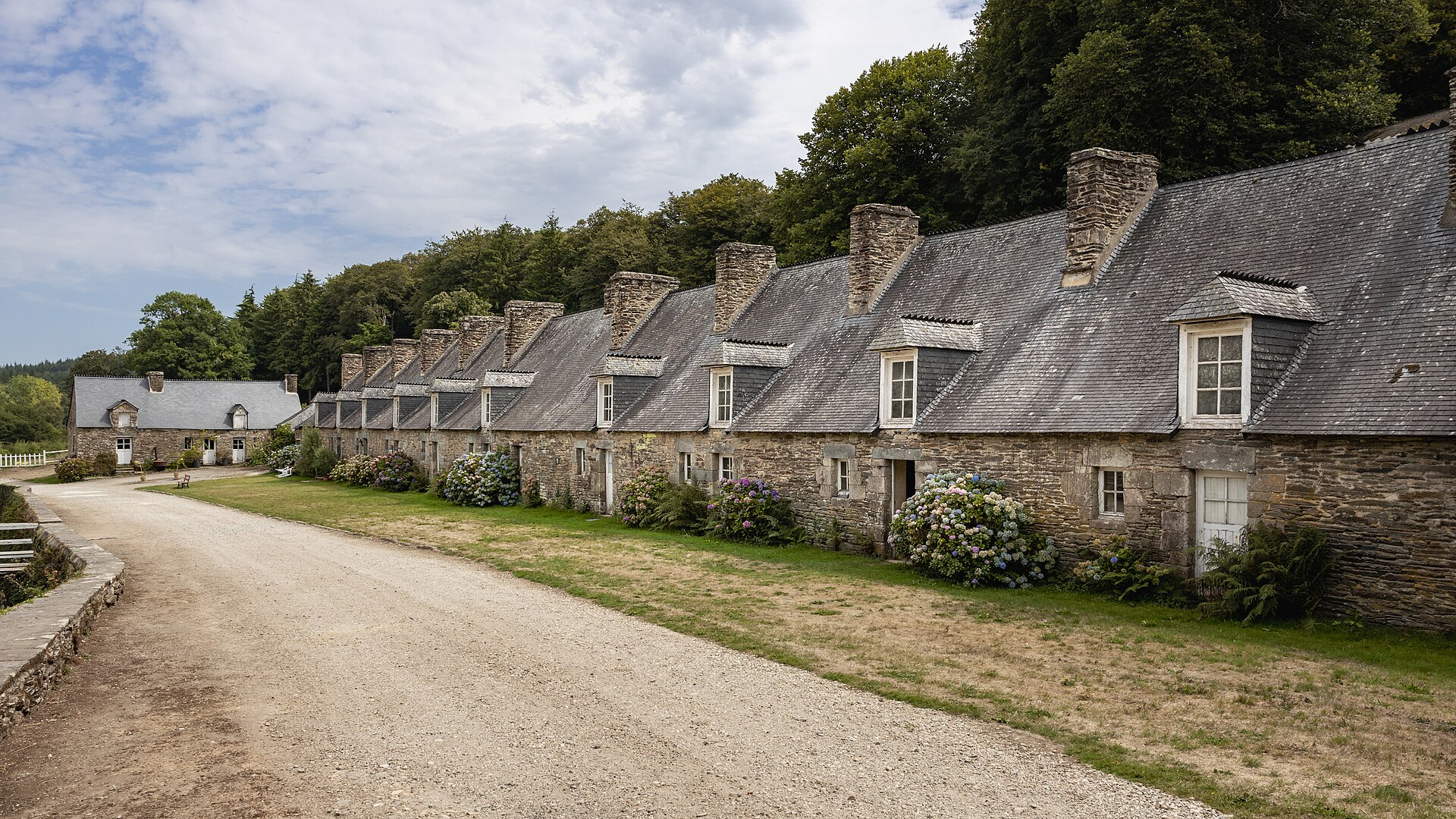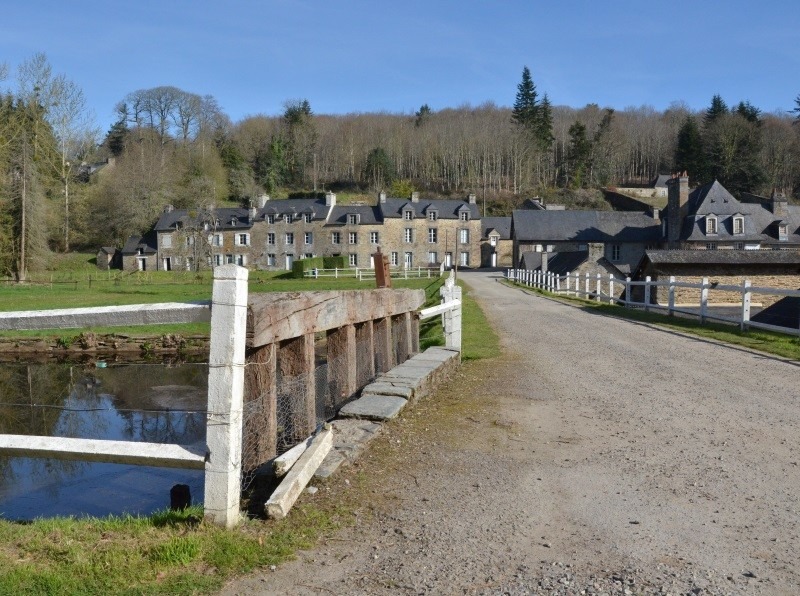

COTE D’ARMOR (22) – Les Forges des Salles, situées sur les communes de Sainte-Brigitte (Morbihan) et Perret (Côtes-d’Armor) en Centre-Bretagne, sont un ancien village sidérurgique, fondé en 1623 et dont les principaux bâtiments datent des derniers aménagements qui sont apportés au XVIIIe et XIXe siècles.
Propriété de la famille du Pontavice, ce site abrite une des forges à bois les plus anciennes de Bretagne, vestige rare d’une activité prospère et industrielle pendant près de trois siècles jusqu’à l’extinction du haut fourneau en 1877. Son excellente conservation témoigne du patrimoine industriel breton qui ne fut pas qu’agricole à cette époque.
L’usine des Salles est à juste titre considérée parmi les plus anciennes grosses forges industrielles de Bretagne
Les forges ne pouvaient fonctionner que grâce à de nombreuses machines hydrauliques (martinets, soufflets…) toutes mues par des roues en bois qu’il fallait réparer ou changer périodiquement.
Les forges sont toujours construites en aval d’un étang ou d’un cours d’eau afin de disposer de la hauteur de chute nécessaire pour actionner des roues à aubes ou à augets. À l’époque, ces retenues d’eau faisaient l’objet de toutes les attentions. Sans eau, pas de force motrice, pas d’activité sidérurgique et donc pas de travail. Pour assurer un débit suffisant à la création d’une énergie hydraulique, quatre étangs furent aménagés en 1622 pour alimenter la forge.
Le site est ouvert régulièrement, les entrées sont payantes
May, June, and September: Weekends and public holidays from 2:00 p.m. to 6:30 p.m.